arrow_back Back to News
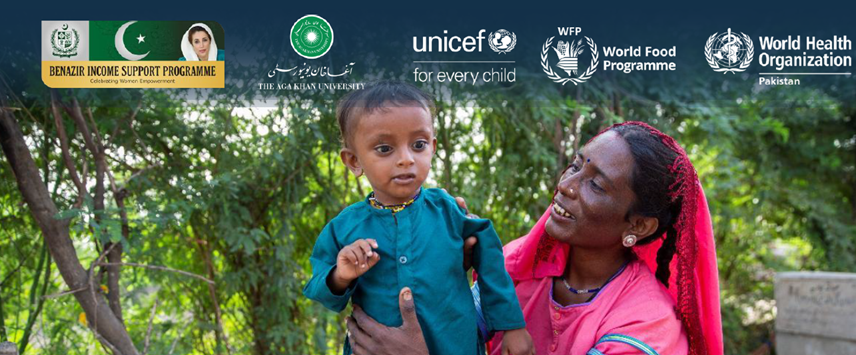
The Benazir Nashonuma Programme, implemented under the Benazir Income Support Programme (BISP), is Pakistan's flagship nutrition intervention for pregnant and breastfeeding women and children under two years of age. Launched in 2020, the programme provides integrated nutrition, health, behaviour change, and conditional cash support during the critical first 1,000 days of life. An independent impact evaluation released in 2026 found that the programme has achieved significant improvements in maternal and child health, including reductions in child stunting, low birth weight, preterm births, and anaemia, making it one of the most impactful nutrition programmes globally. To date, it has reached more than 4.6 million women and children through a nationwide network of facilitation and stabilization centres.
Operating under Pakistan’s Benazir Income Support Programme (BISP) – the country's flagship social protection programme – the Benazir Nashonuma Programme has become a cornerstone in the fight against malnutrition in Pakistan.
The final results of the cohort study of the Independent Impact Evaluation presented in May 2026 show some of the strongest results ever documented globally for a nutrition programme, with impact on stunting reduction and child survival. The evaluation is conducted by the Institute for Global Health & Development at Aga Khan University and funded by the Gates Foundation. It followed two groups from early pregnancy – Nashonuma participants and non-participants – both enrolled in BISP Kafaalat.
The evaluation has documented significant impact on maternal outcomes, including full coverage of antenatal care (at least once), improved pregnancy weight gain (+24 g/week), and 0.36 g/dL smaller decline in hemoglobin concentration among Nashonuma participants. It also showed lower adverse birth outcomes, including low birth weight reduced by 6%, preterm births by 11%, and small vulnerable newborns by 7%. For child health outcomes, stunting at 6 months was 22% lower among Nashonuma beneficiaries (equivalent to 9.4 percentage-points), especially reflecting improved maternal nutrition, and at 12 months, it was 18% lower (equivalent to 10.1 percentage-points). The evaluation also found reduced child anemia by 12%, increased full immunization coverage by 17%, while <25% of women achieved adequate dietary diversity.
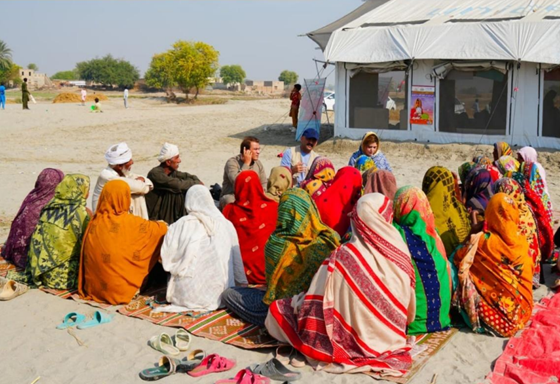
Launched in 2020, the Benazir Nashonuma Programme targets pregnant and breastfeeding women and children under 2, focusing on the pivotal first 1,000 days. Through its integration with BISP, Nashonuma can reach the most vulnerable mothers and children. The programme is delivered through 578 facilitation and 169 stabilization centers and has reached 4.6 million women and children so far.
Nashonuma provides a comprehensive package of nutrition-specific and -sensitive interventions:
Antenatal and postnatal care services, child growth monitoring and immunization.
Awareness sessions, Social Behavior Change to foster positive maternal, infant and young child nutrition, health, hygiene, breastfeeding and complementary feeding practices.
Conditional cash stipends provided by BISP.
Provision of specialized nutritious food (SNF) and Multi-Micronutrient Supplements (MMS) for mothers and children. SNF consists of 75 and-50 grams of nutrient-packed paste to complement the diet by filling nutrient gaps.
Screening and Management of Moderate and Severe Acute Malnutrition for children and mothers, including lifesaving treatment.
The Nashonuma Programme is managed by the Government of Pakistan under BISP. The World Food Programme (WFP), in close partnerships with Health Departments, supports the management of the 578 Facilitation Centers and the procurement and distribution of SNF to prevent stunting. The centres also screen for, and manage, acutely malnourished children and women. Severe cases with medical complications are referred to one of the 169 nutrition Stabilization Centres supported by the World Health Organization (WHO), which provide lifesaving medical treatment and therapeutic milk (F-75 and F-100), as well as Ready-to-Use Therapeutic Food (RUTF). UNICEF provides RUTF for the treatment of severe acute malnutrition, MMS for women’s micronutrient deficiencies, and manages Social Behavior Change Communication & community engagement.
For report click on the link https://reliefweb.int/report/pakistan/benazir-nashonuma-programme-delivering-breakthrough-results-preventing-malnutrition