Need Help Finding something?
Recent Search
Blog post
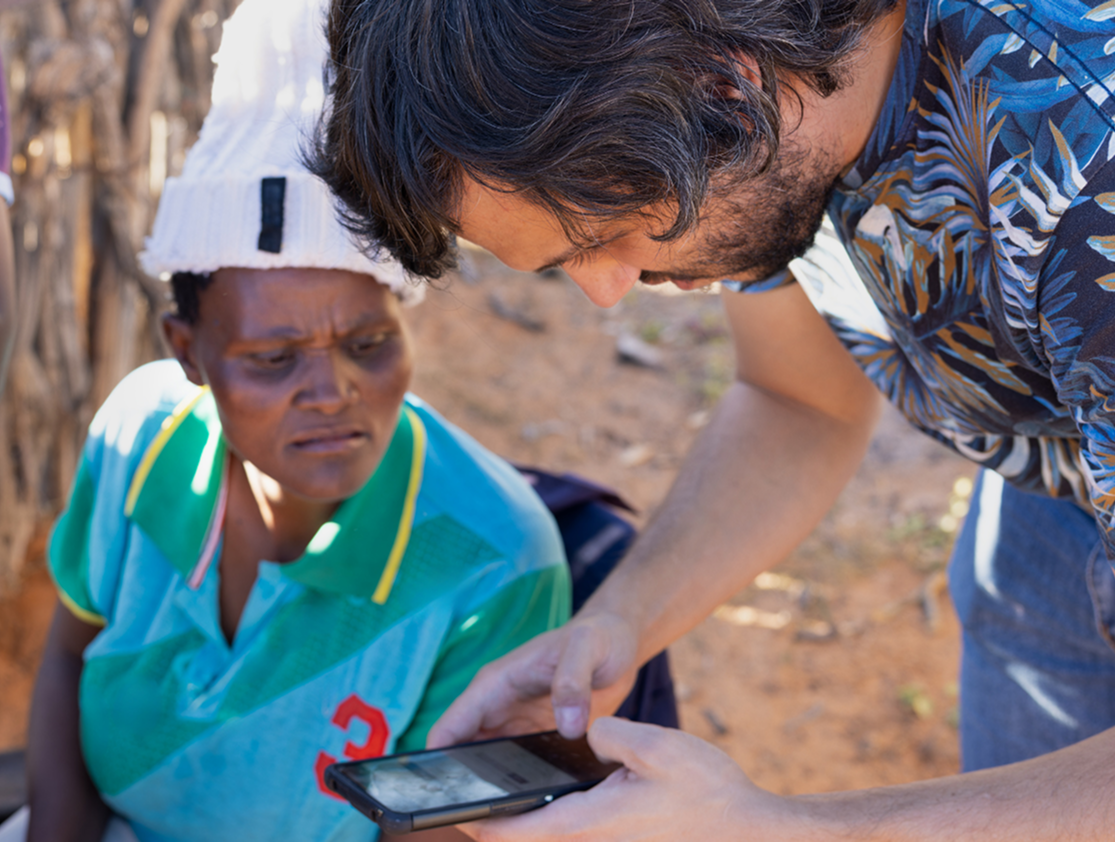
Digitising Social Protection in contexts of fragility and conflict...
Blog post
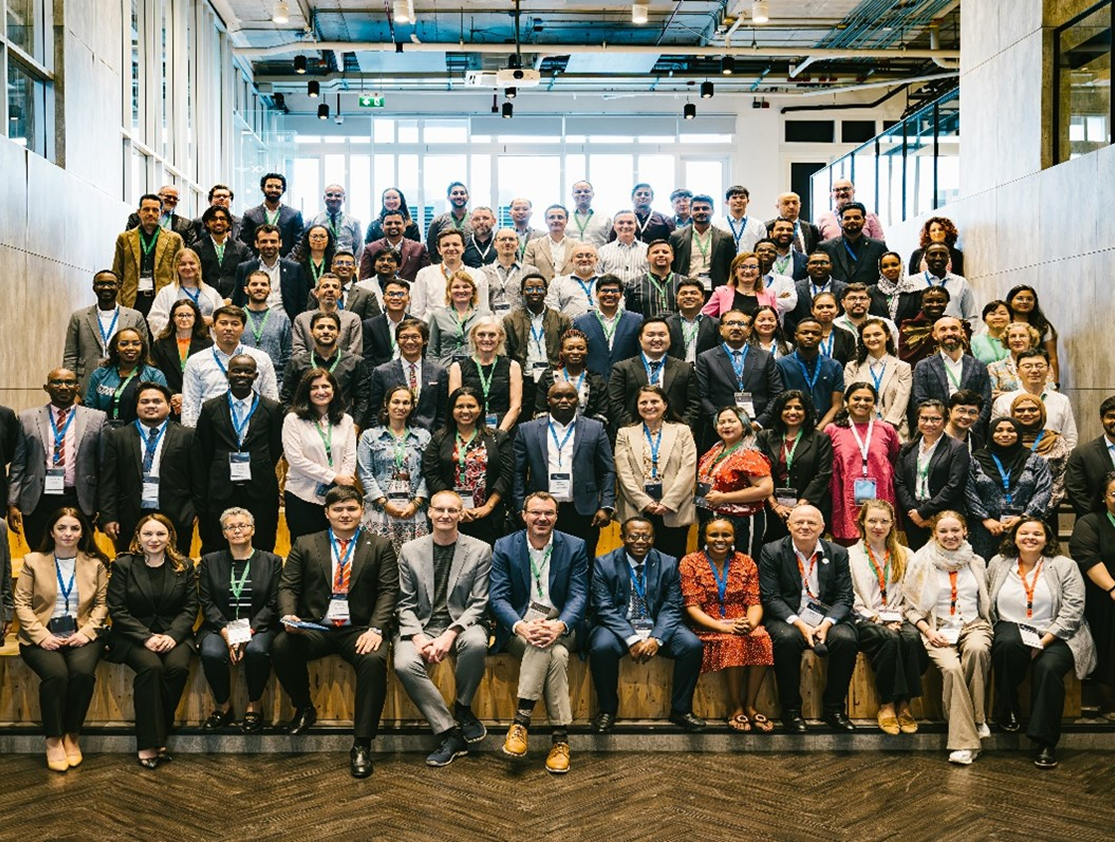
AI in social protection – now and tomorrow
Home > About us
The Social Protection Website is a centralized digital resource developed to strengthen social protection systems in Pakistan by improving access to information, enabling collaboration, and supporting informed decision-making. It brings together a wide range of stakeholders working across social protection, financial inclusion, and climate resilience. The website serves as a gateway to Pakistan’s social protection landscape, providing structured and user-friendly access to policies, programmes, research, and practical resources. It supports policymakers, practitioners, researchers, and the general public in understanding and engaging with social protection initiatives. At its core, the website is a shared space for collaboration and knowledge exchange. It allows stakeholders—including government institutions, development partners, academia, and civil society—to share their content, including policies, strategies, initiatives, data, and statistics. By bringing this information together in one place, the website helps present a more complete and coherent picture of social protection in Pakistan for anyone seeking reliable and up-to-date information. The website also functions as a knowledge and capacity hub, offering access to learning materials, training resources, events, and multimedia content. This supports continuous learning, stronger coordination, and more informed planning across sectors. Developed with the support of the European Union (EU) and the German Federal Ministry for Economic Cooperation and Development (BMZ), the website is designed as an open and inclusive resource for all stakeholders working to strengthen adaptive and responsive social protection systems in Pakistan.
To provide a centralized and inclusive digital space for sharing, accessing, and exchanging information on social protection in Pakistan, enabling stakeholders to collaborate, make informed decisions, and contribute to a more adaptive and responsive social protection system.
A Pakistan where social protection is inclusive, adaptive, and well-coordinated, supported by accessible information and strong collaboration among all stakeholders.