ISLAMABAD
National Policy Guidelines on Vulnerable Groups in Disasters 2025
Pakistan’s National Policy Guidelines on Vulnerable Groups in Disasters (2025, published 2026) provide a comprehensive framework to ensure that disaster risk management systems are inclusive, shock-responsive, and sensitive to the needs of vulnerable populations. The policy emphasizes anticipatory action, integration of social protection with disaster management, and targeted support for marginalized groups.
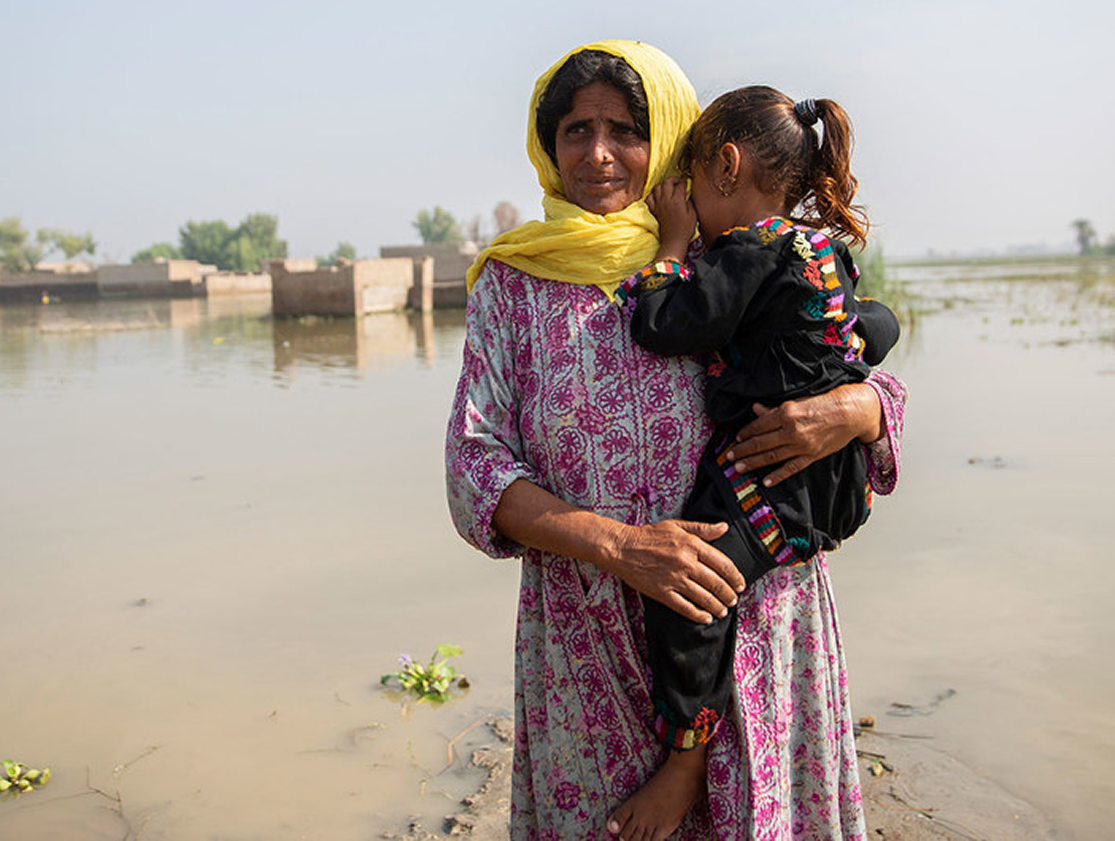
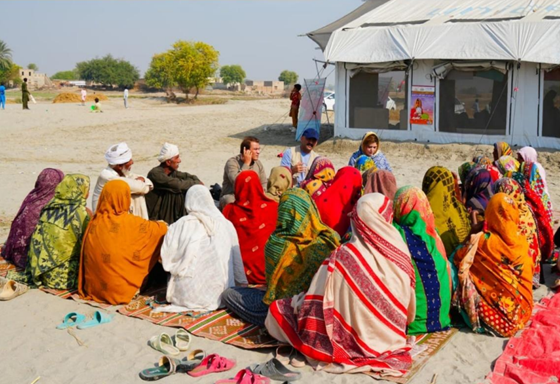
The National Policy Guidelines on Vulnerable Groups in Disasters (2025, published 2026) represent a significant step forward in strengthening Pakistan’s approach to inclusive and adaptive disaster risk management. Developed under the leadership of the National Disaster Management Authority (NDMA), the policy establishes a structured framework to ensure that vulnerable populations—including women, children, persons with disabilities, and other marginalized groups—are systematically integrated into all phases of disaster planning, preparedness, response, and recovery.
At its core, the policy promotes a shift from reactive disaster response to anticipatory and risk-informed action. It encourages early interventions such as forecast-based planning, pre-emptive evacuations, and timely financial assistance, aligning closely with emerging adaptive social protection (ASP) approaches. By linking disaster risk management with social protection systems, the guidelines aim to enable faster, more targeted, and more efficient support to affected populations during climate and disaster shocks.
The policy further underscores the importance of equity, inclusion, and participation, ensuring that vulnerable groups are not only beneficiaries but also active participants in decision-making processes. It calls for improved data systems, inclusive service delivery, and coordinated institutional mechanisms to enhance responsiveness and accountability.
Overall, these guidelines mark a transition toward a more resilient, inclusive, and shock-responsive system, where social protection and disaster risk management work together to reduce vulnerability, protect lives and livelihoods, and strengthen community resilience in the face of increasing climate risks.
https://www.ndma.gov.pk/storage/publications/March2026/4UD52rfyiRnki0OmBrNl.pdf