
Addressing Poverty and Vulnerability - Social Protection in Pakistan
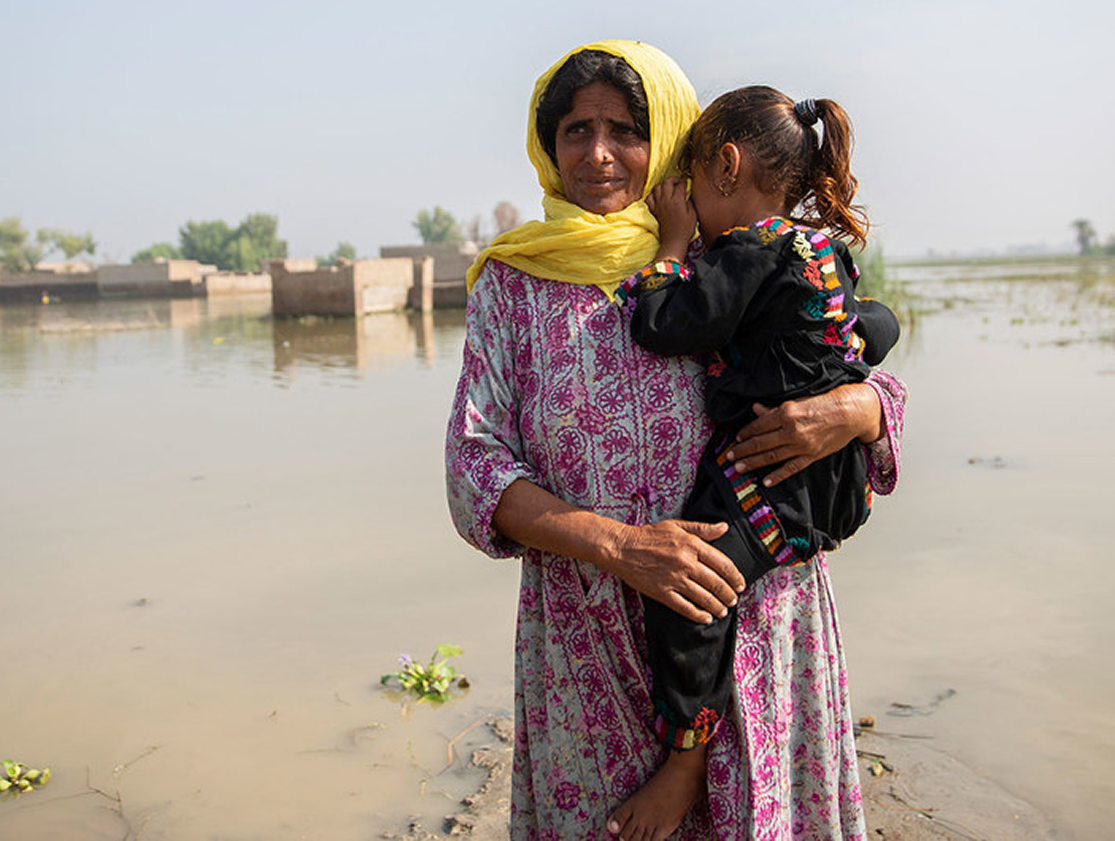
This research paper, authored by Dr. Saba Gul Khattak, examines the role of social protection in addressing poverty and vulnerability in Pakistan through a gender-responsive lens. It situates social protection within the framework of the Sustainable Development Goals (SDGs), particularly SDG 1 (No Poverty), SDG 3 (Good Health), SDG 5 (Gender Equality), and SDG 10 (Reduced Inequalities), emphasizing its importance in ensuring dignity, economic security, and resilience for vulnerable populations. The paper provides a comprehensive overview of social protection concepts, including social assistance, social insurance, and safety nets, while highlighting the importance of a rights-based approach and the need for establishing social protection floors. It traces the evolution of social protection policies and programmes in Pakistan—such as BISP and Ehsaas—alongside the role of philanthropy and corporate social responsibility in supporting vulnerable groups. Through detailed analysis, the study identifies key challenges, including limited fiscal space, governance issues, targeting inefficiencies, and institutional fragmentation. It also explores global models and best practices, comparing targeted safety net approaches with universal, lifecycle-based systems promoted by international organizations. The paper concludes with actionable recommendations for Pakistan, including strengthening institutional coordination, improving data systems, expanding coverage, and moving towards a comprehensive social protection floor. It underscores the urgency of integrating social protection with broader development priorities such as climate resilience, employment generation, and human capital development to achieve sustainable and inclusive growth.