
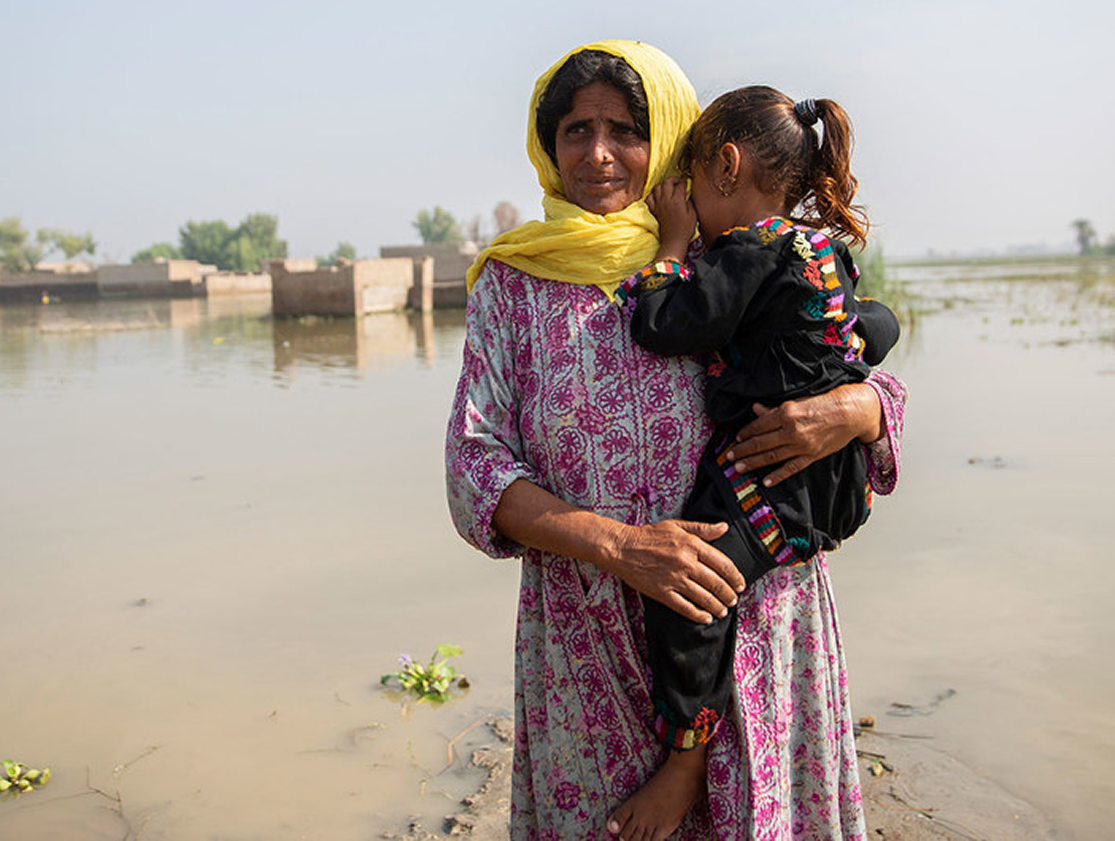

The Disaster Risk Reduction Policy Khyber Pakhtunkhwa is a comprehensive provincial framework designed to transform disaster management from a mainly reactive system—focused on rescue, relief and rehabilitation after disasters—to a proactive, preparedness-oriented and risk-informed approach. The policy recognises that Khyber Pakhtunkhwa faces a wide range of geological, hydro-meteorological, environmental and complex hazards, including earthquakes, landslides, floods, cloudbursts, heatwaves, wildfires, Glacial Lake Outburst Floods (GLOFs), drought and climate-related emergencies. It therefore seeks to ensure that disaster risk reduction becomes part of development planning, governance and community-level action rather than being treated only as an emergency response function.
A central focus of the policy is building a disaster-resilient Khyber Pakhtunkhwa through prevention, preparedness, early warning, timely response and inclusive recovery. It promotes evidence-based decision-making through Multi-Hazard Vulnerability and Risk Assessment (MHVRA), disaster risk information systems and improved early warning mechanisms. The policy also calls for stronger coordination among provincial departments, district administrations, local governments, communities, civil society and development partners. Risk-informed development is another major component, with emphasis on ensuring that infrastructure and public investments take disaster risks into account and follow resilient construction and planning principles.
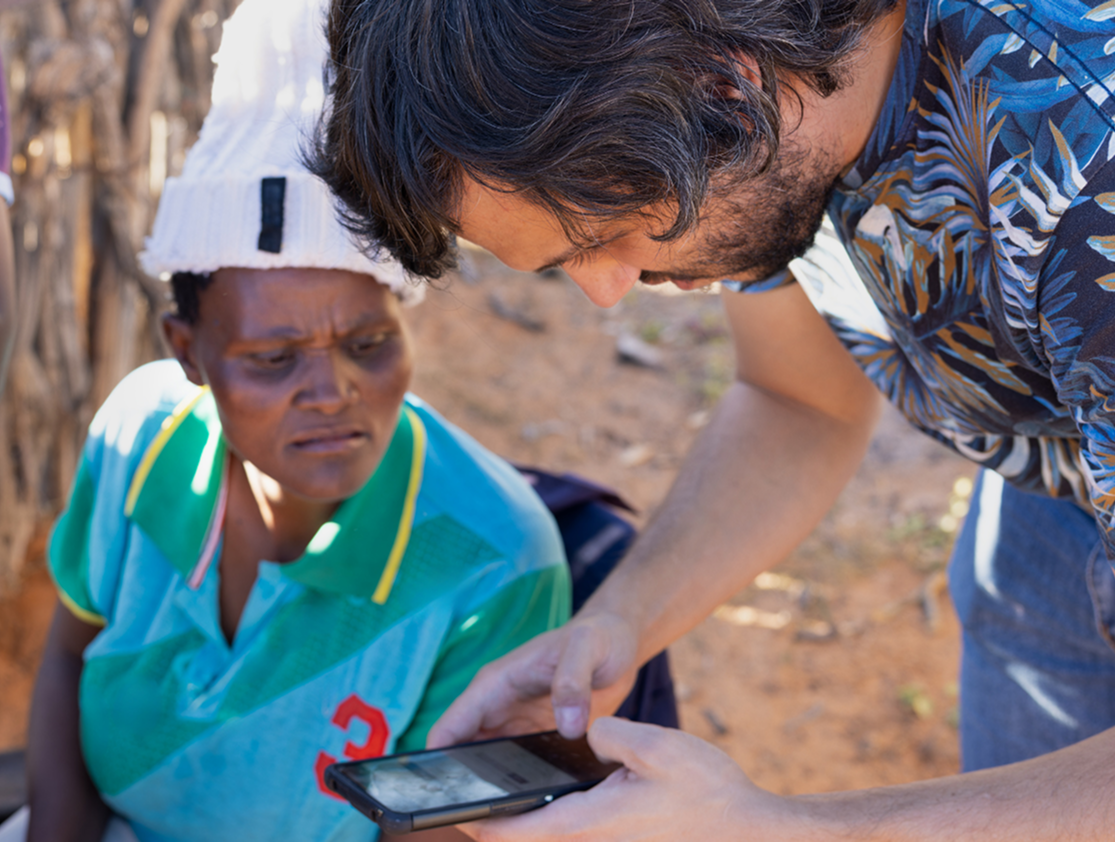
The policy gives particular importance to communities as key actors in disaster risk reduction. Through Community-Based Disaster Risk Management (CBDRM), local communities are expected to participate in identifying hazards, assessing risks, developing local preparedness measures and strengthening their capacity to respond to emergencies. It also proposes trained and inclusive Community Emergency Response Teams, supported by regular training, equipment and drills. This approach recognises that communities are often the first to experience a disaster and the first to respond before external assistance reaches them.
Another important feature is the integration of Disaster Risk Reduction with Adaptive Social Protection (ASP). The policy proposes connecting disaster risk information with social protection data to identify poor and vulnerable households that are most exposed to shocks. It envisages stronger links between early warning systems, social protection programmes and anticipatory action so that assistance can reach vulnerable households before or immediately after a disaster. The policy also highlights the use of socio-economic registries to identify at-risk households and support targeted assistance, helping vulnerable families prepare for, cope with, recover from and adapt to shocks.
The policy is structured around thirteen strategic pillars, covering institutional coordination, climate change adaptation, scientific risk assessment, human-resource development, community-based disaster risk management, disaster response capacity, risk-informed development, essential food/WASH/nutrition systems, integrated early warning systems, quality recovery, Adaptive Social Protection, complex emergencies and disaster risk financing. Together, these pillars provide a framework covering the different stages of disaster risk management—from understanding and reducing risk to preparedness, response, recovery and long-term resilience.
Implementation is envisaged as a shared responsibility, with the Provincial Disaster Management Authority (PDMA) and District Disaster Management Units playing central roles. The policy proposes the Khyber Pakhtunkhwa Disaster Risk Reduction Policy Implementation and Oversight Committee to provide strategic oversight and coordination, supported by thematic working groups. It also proposes sustainable financing through provincial budgets, national and international resources, contingency arrangements, risk financing and other mechanisms. Monitoring and evaluation, including a digital feedback mechanism, are intended to help track implementation and allow the policy to respond to changing risks and vulnerabilities.
Overall, the policy presents disaster risk reduction as a long-term development and resilience agenda, rather than simply an emergency-response responsibility. Its approach combines climate adaptation, scientific risk assessment, early warning, community participation, resilient infrastructure, disaster financing and Adaptive Social Protection, with particular attention to vulnerable and marginalised groups. Its overarching objective is to build a safer, more resilient and sustainable Khyber Pakhtunkhwa, where disaster risks are anticipated and reduced before they translate into losses of lives, livelihoods and development gains.