Delivering Breakthrough Results in Preventing Malnutrition Across Pakistan
Description
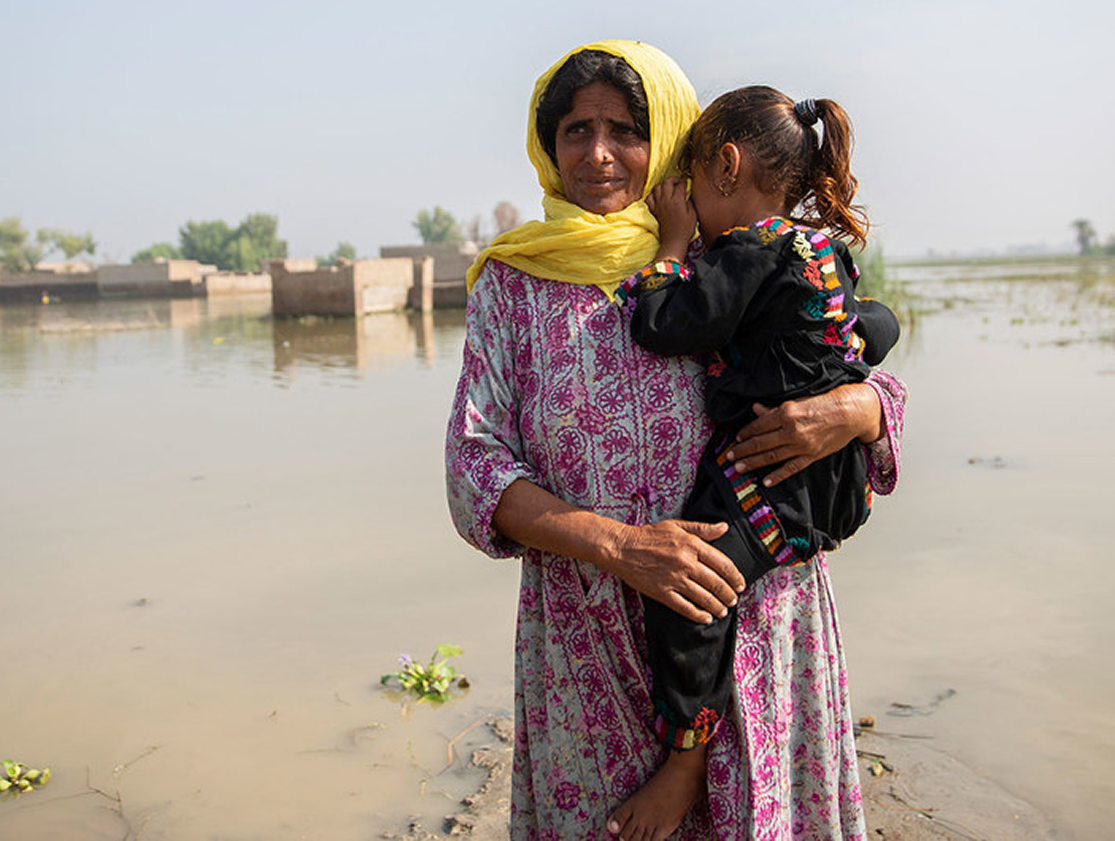
The Benazir Nashonuma Programme is a nationwide initiative of the Government of Pakistan, implemented under the Benazir Income Support Programme (BISP) to address maternal and child malnutrition. Recognizing that the first 1,000 days of a child's life are critical for healthy growth and development, the programme focuses on pregnant and breastfeeding women and children under the age of two, helping prevent stunting before it occurs.
Delivered through 542 facilitation centres across Pakistan, the programme has reached 3.5 million women and children with an integrated package of nutrition-sensitive interventions. These include antenatal and postnatal care, child growth monitoring, immunization, nutrition and hygiene counselling, specialized nutritious food for mothers and young children, conditional cash stipends for eligible beneficiaries, and treatment and referral services for severe acute malnutrition.
Implemented by the Government of Pakistan with technical and operational support from the World Food Programme (WFP), in collaboration with provincial Health Departments, UNICEF and WHO, the programme combines social protection with nutrition services to improve maternal and child health outcomes.
According to the Aga Khan University Midterm Impact Evaluation (September 2025), the programme has demonstrated measurable results, including a 20% reduction in stunting among children at six months of age, a 6.4% reduction in stunting among children under five, and a 5.6% reduction in low birth weight in intervention districts—highlighting its significant contribution to improving child survival and reducing malnutrition in Pakistan.